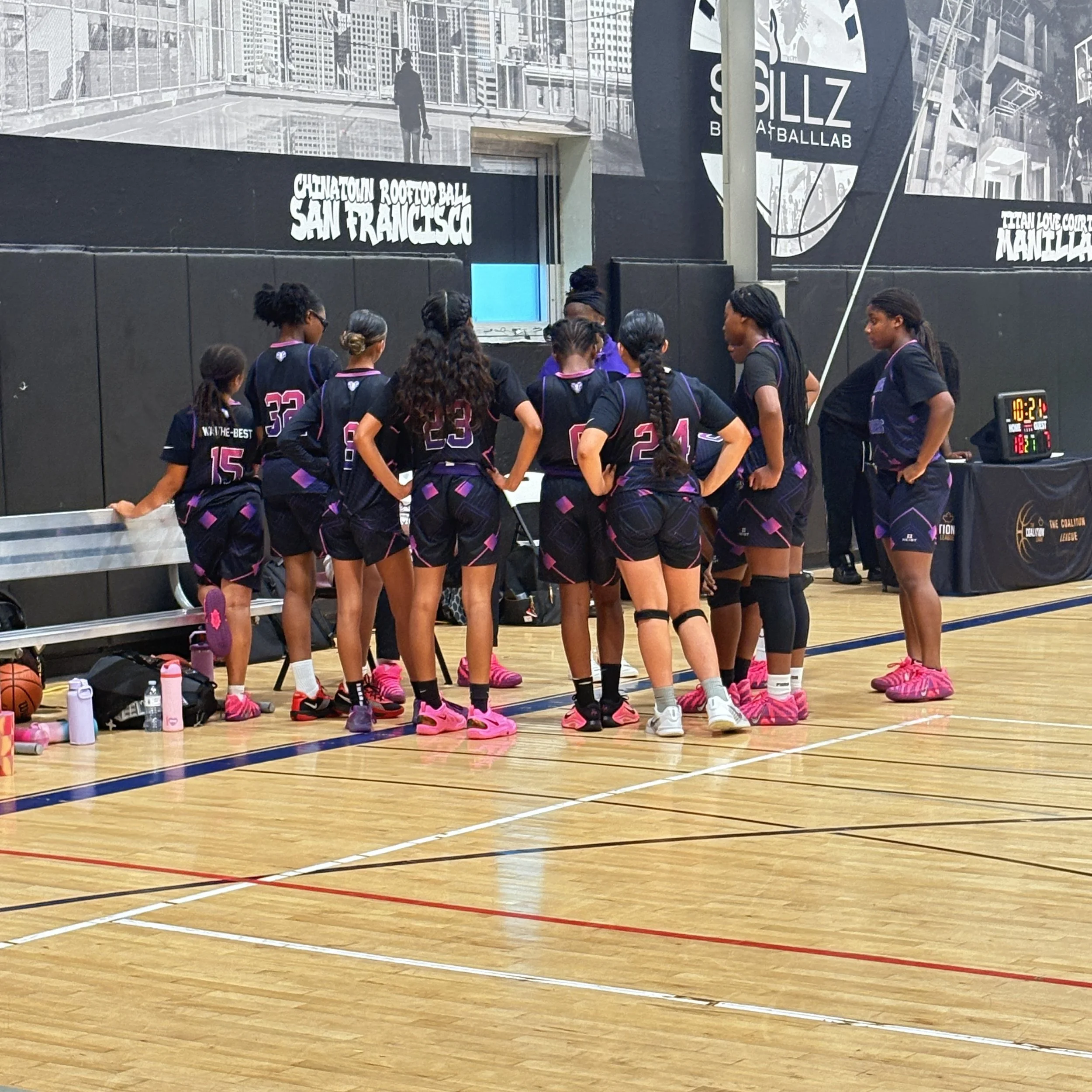
Durham Rangers Basketball Expectations & Agreement for Coaches
Coaching at Durham Rangers is both a privilege and a responsibility. Coaches have a direct influence on the athletes entrusted to them and are expected to uphold the standards, values and culture of our organization.
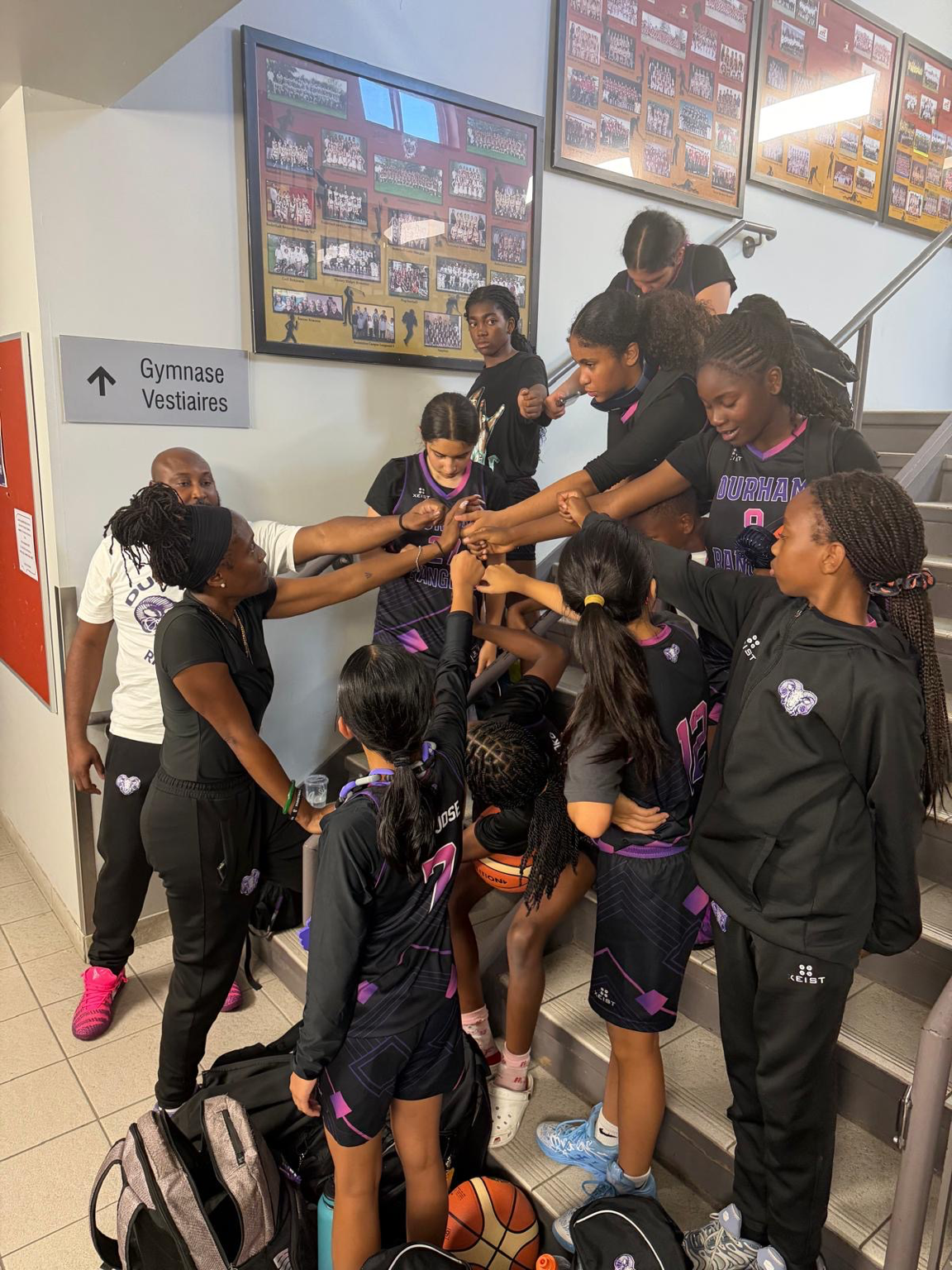
THE RANGERS STANDARD
Representing Durham Rangers with professionalism, respect & integrity
As a Durham Rangers coach, you are a representative of our organization and play an important role in shaping the culture and experience of our athletes and families. Coaches are expected to conduct themselves with professionalism, respect, maturity and integrity at all times—at practices, games, tournaments, team events and in communication with players, parents, officials and other clubs.
Coaches are expected to:
Model good sportsmanship and respect regardless of the outcome of a game.
Treat every athlete, family, official, opposing team and fellow coach with dignity and professionalism.
Create a positive, inclusive and safe environment where athletes feel supported, challenged and valued.
Represent the Durham Rangers name positively both on and off the court.
Demonstrate the same qualities we ask of our athletes: hard work, perseverance, accountability, respect and a commitment to excellence.
Understand that winning is important to a competitive program, but how we compete and develop our athletes matters just as much.
This directly reflects the club's stated commitment to developing confident, resilient leaders—not simply basketball players—and building a culture rooted in hard work, perseverance and respect for the game.

DEVELOPING PLAYERS, BUILDING PEOPLE
A commitment to basketball development and the growth of the whole athlete
At Durham Rangers, coaching is about more than teaching basketball. Our coaches are entrusted with helping young athletes develop their skills, confidence, resilience, basketball IQ, teamwork and character.
Coaches are expected to:
Arrive prepared with intentional, age-appropriate practices that support player development.
Teach and reinforce strong fundamentals, basketball IQ, teamwork and competitive habits.
Challenge athletes to improve while recognizing that every player develops differently.
Provide constructive feedback that helps athletes understand both what they are doing well and where they can improve.
Encourage athletes to take ownership of their development and learn from mistakes and challenges.
Develop confidence, resilience, leadership and accountability, both on and off the court.
Promote teamwork and an environment where players understand that individual success contributes to team success.
Maintain high standards while ensuring that athletes continue to enjoy the game and feel connected to their team.
This aligns closely with Durham Rangers' stated goal of developing "exceptional basketball players" while also helping young athletes become confident, resilient leaders who can excel beyond basketball.
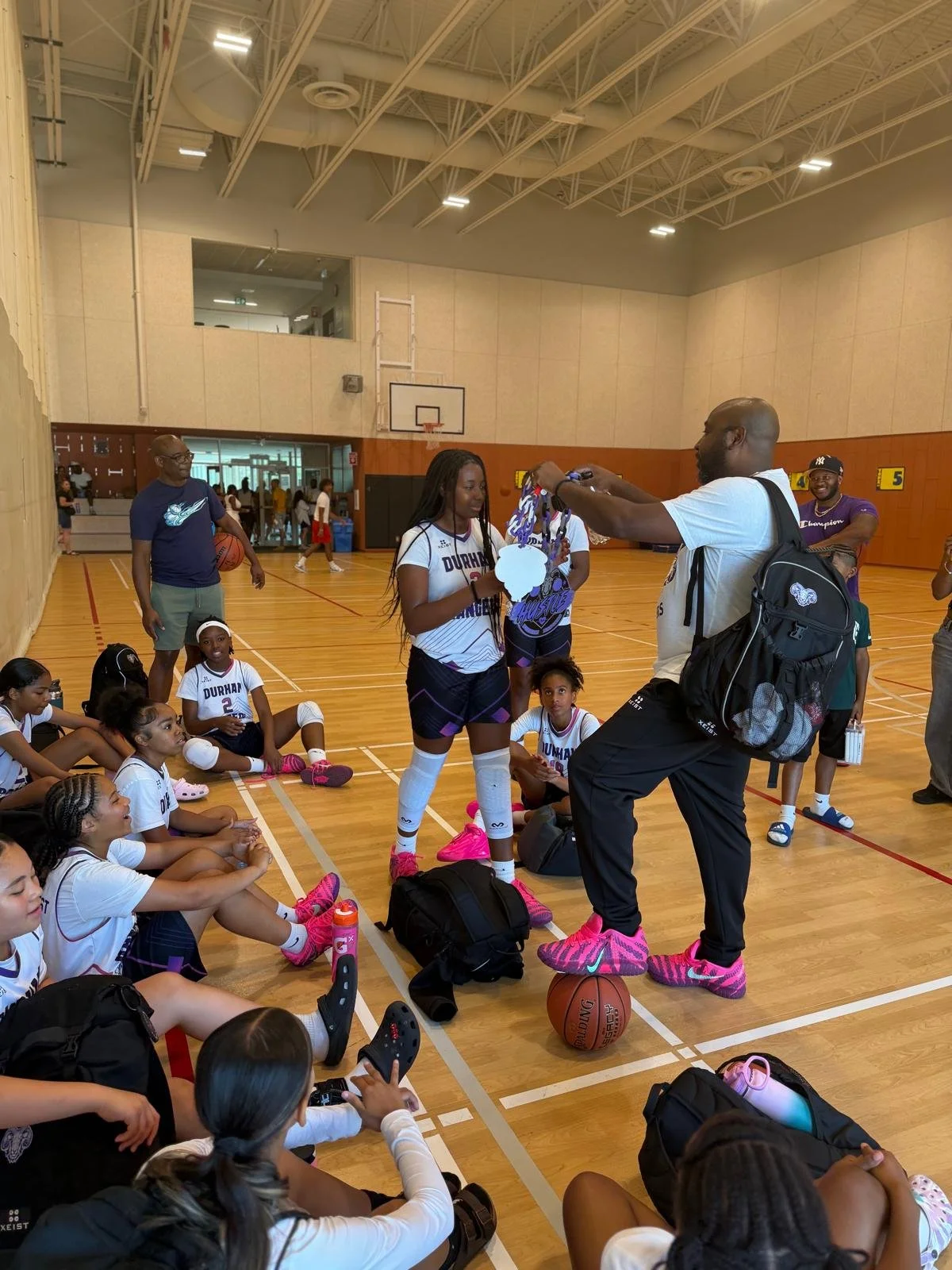
COMMITMENT TO TEAM CULTURE
Accountability, communication, collaboration & culture
Being a Durham Rangers coach is a commitment to the players, families and organization. Coaches are expected to be reliable, prepared and actively contribute to the success and culture of the club.
Coaches agree to:
Be punctual, prepared and present for scheduled practices, games, tournaments and team commitments.
Communicate proactively with the club and families regarding schedules, expectations, changes or concerns.
Work collaboratively with Durham Rangers leadership and other coaches to maintain consistency in the club's standards and approach.
Follow all Durham Rangers policies, procedures, league requirements and safety expectations.
Handle player, parent and team concerns calmly, professionally and respectfully, addressing issues through the appropriate channels.
Maintain appropriate professional boundaries in all interactions with athletes.
Support the broader Durham Rangers community rather than focusing solely on their individual team.
Take accountability for their actions and remain open to feedback, learning and continued coaching development.
Contribute to a culture where athletes, coaches and families understand that they are part of something bigger than one team or one season.